Close
By Siddharth D’Souza, Ochiba Koi Studio, This article is as seen in The Weekend Aquarist Magazine
Today we dive deep into the world of Japanese koi, also known as, Nishikigoi and explore some of the most significant varieties that make this living art form so magical. There are hundreds of koi varieties, differentiated by colour, pattern, scale type, and even fin shape — but don’t worry, we’ll stick to the ten that are most foundational (and most fun to talk about).
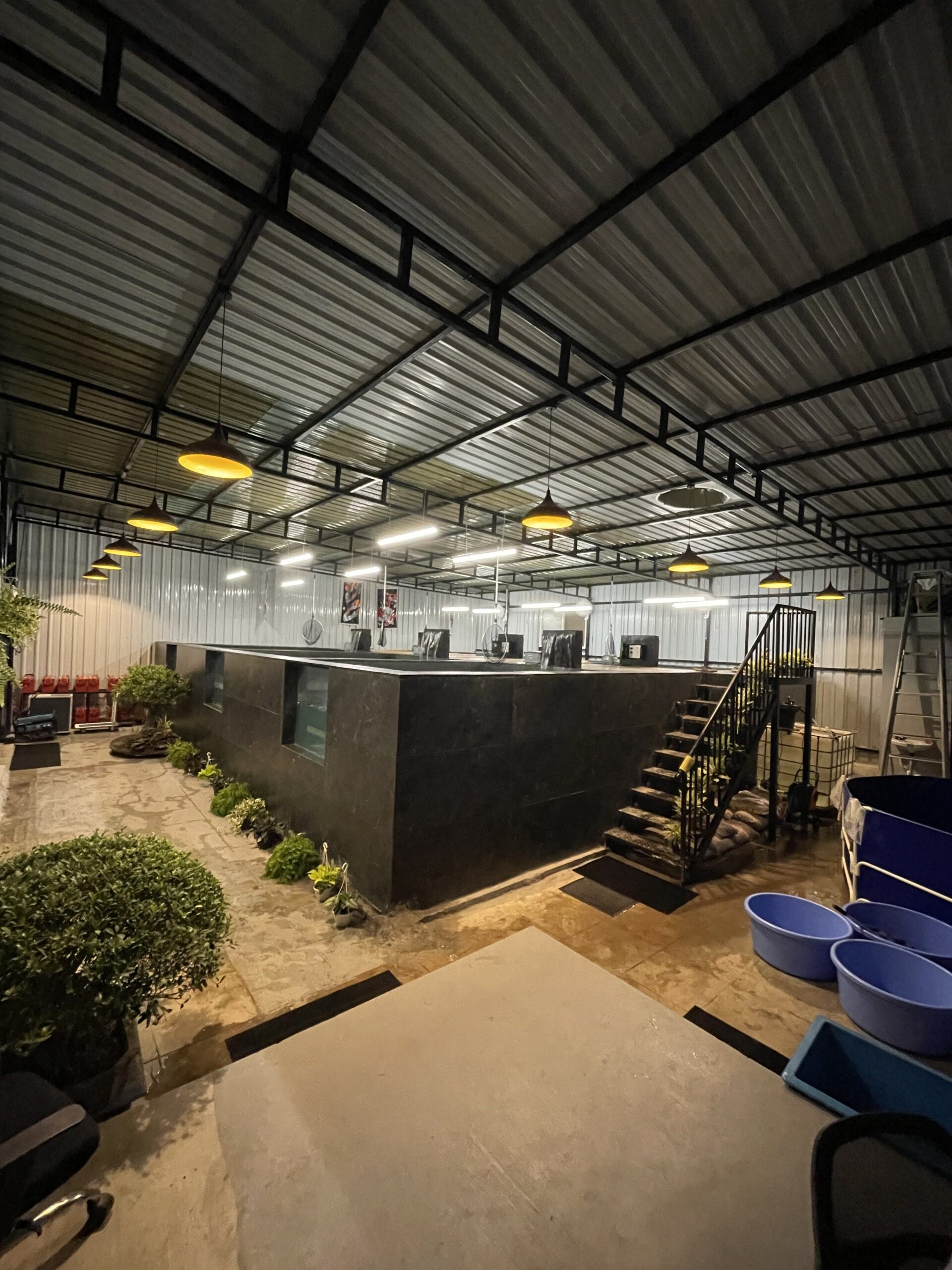
There’s something uniquely exhilarating about this process. Each shipment brings with it fresh hopes and possibilities—bigger koi, better varieties, and always something new. Over the months, we’ve worked hard to stabilize our stock. It’s not just about filling tanks; it’s about cultivating a space where these koi thrive. Our waters have matured like fine wine, and I’m happy to say, we’ve had very low losses. Knock on wood! The results we’ve achieved in what I fondly call our “grooming tanks” have been incredible. Watching those little Tosai grow and flourish is immensely satisfying.
Nishikigoi , as they’re known in Japan, trace their origins to the Niigata Prefecture, particularly the region historically called Nijūmuragō (modern-day Ojiya, Nagaoka, etc.). Around 250 years ago, rice farmers began keeping magoi — common black carp — in their paddy fields as a kind of side business. In the snowy winters, when mountain supply routes were cut off, these carp became a vital source of protein.Sometime in the early 19th century, colour mutations among those black magoi caught farmers’ eyes. One day someone said “Hey, that red pattern is pretty cool” (probably in Japanese), and instead of eating it, they preserved and bred it. This was the Higoi, the first coloured carp. Over the years, through selective breeding, other varieties like the light-blue Asagi emerged. The tradition grew in the isolated mountain villages of Yamakoshi and surrounding areas — summer ponds, winter quarries, and the koi culture quietly developed.
The first big splash on the world stage came at the Tokyo Taishō Exposition in 1914, where these carp were shown as kawarigoi (“strange carp”). By the 1920s, cross-breeding accelerated, with the arrival of German mirror carp (Doitsu) and the “Big Three” (Gosanke) varieties taking shape. Many of the pioneering koi lines were developed by the Hoshino family — and today, their descendants continue to run top-tier farms.( Like Hoshikin, Sekiguchi and Yamanaka Oya among others)Exports from Japan began in earnest in the 1930s, making a debut at the Golden Gate International Exposition, but the real game-changer was in the 1960s, when koi could be packed in oxygenated bags and flown long distances. Since the 2000s, koi export has boomed (yes, our little fish are big business), with the Japanese koi trade now estimated in the billions of yen. Now that you have some background let’s get into a few of the core varieties.
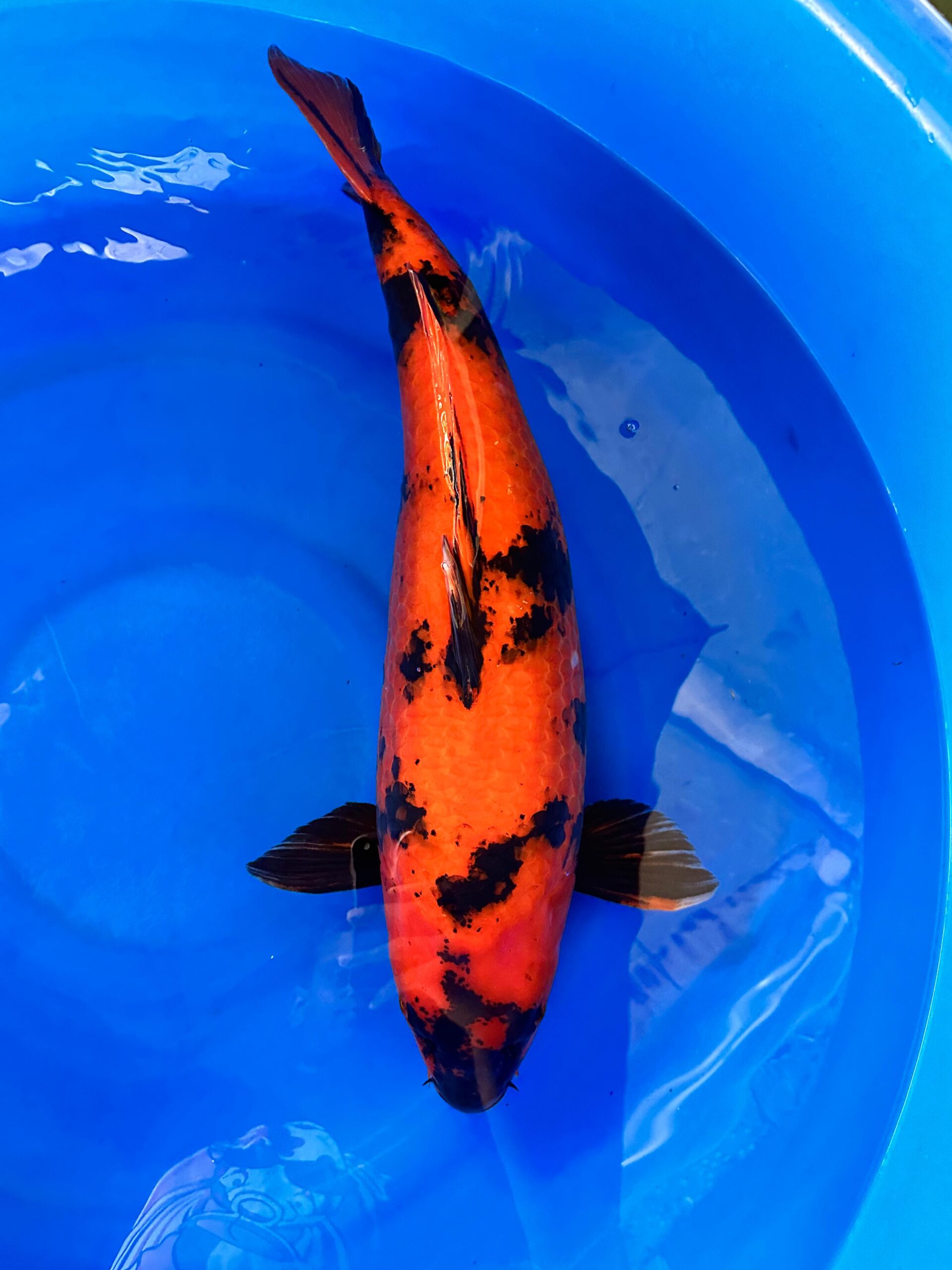
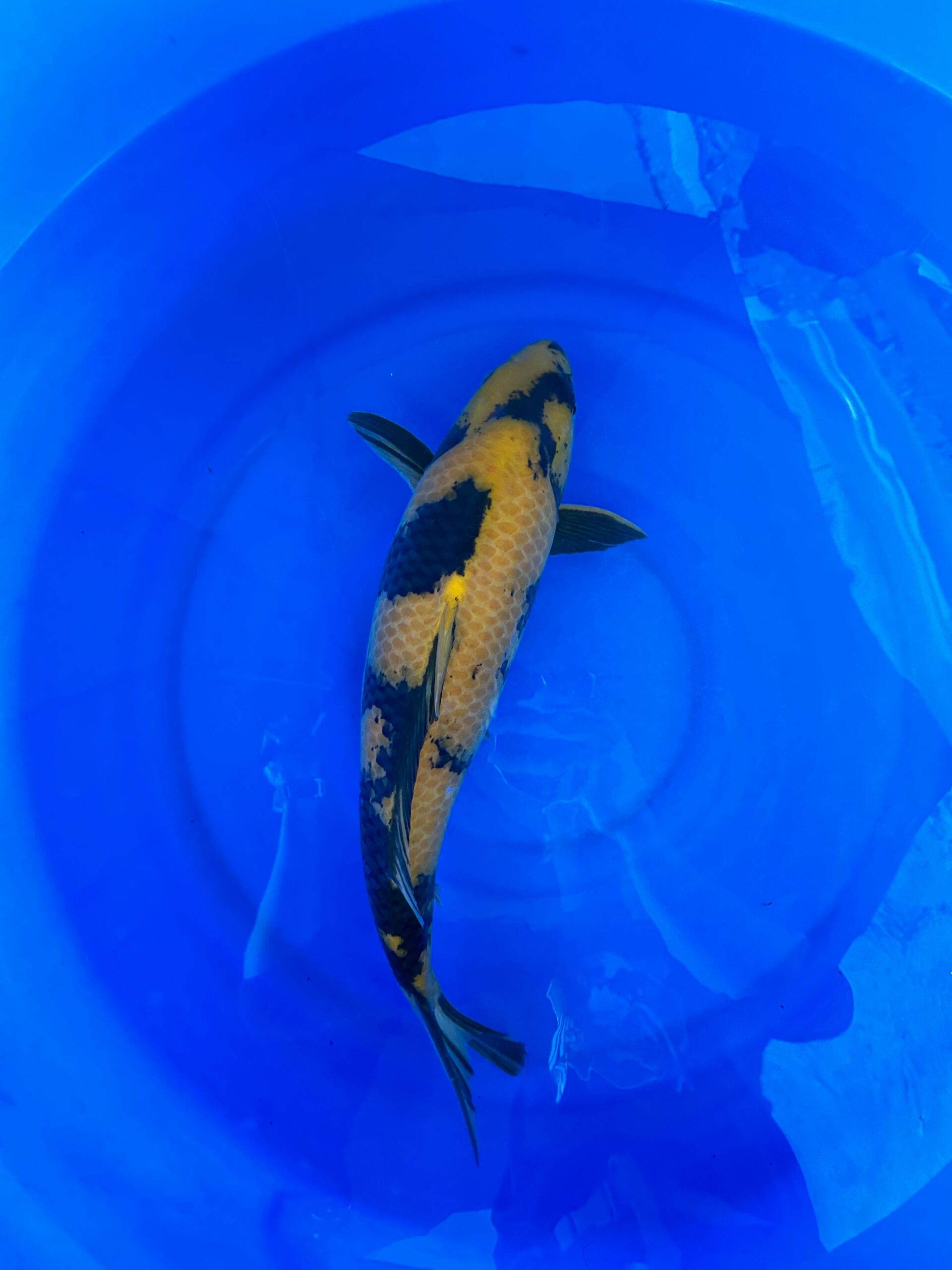
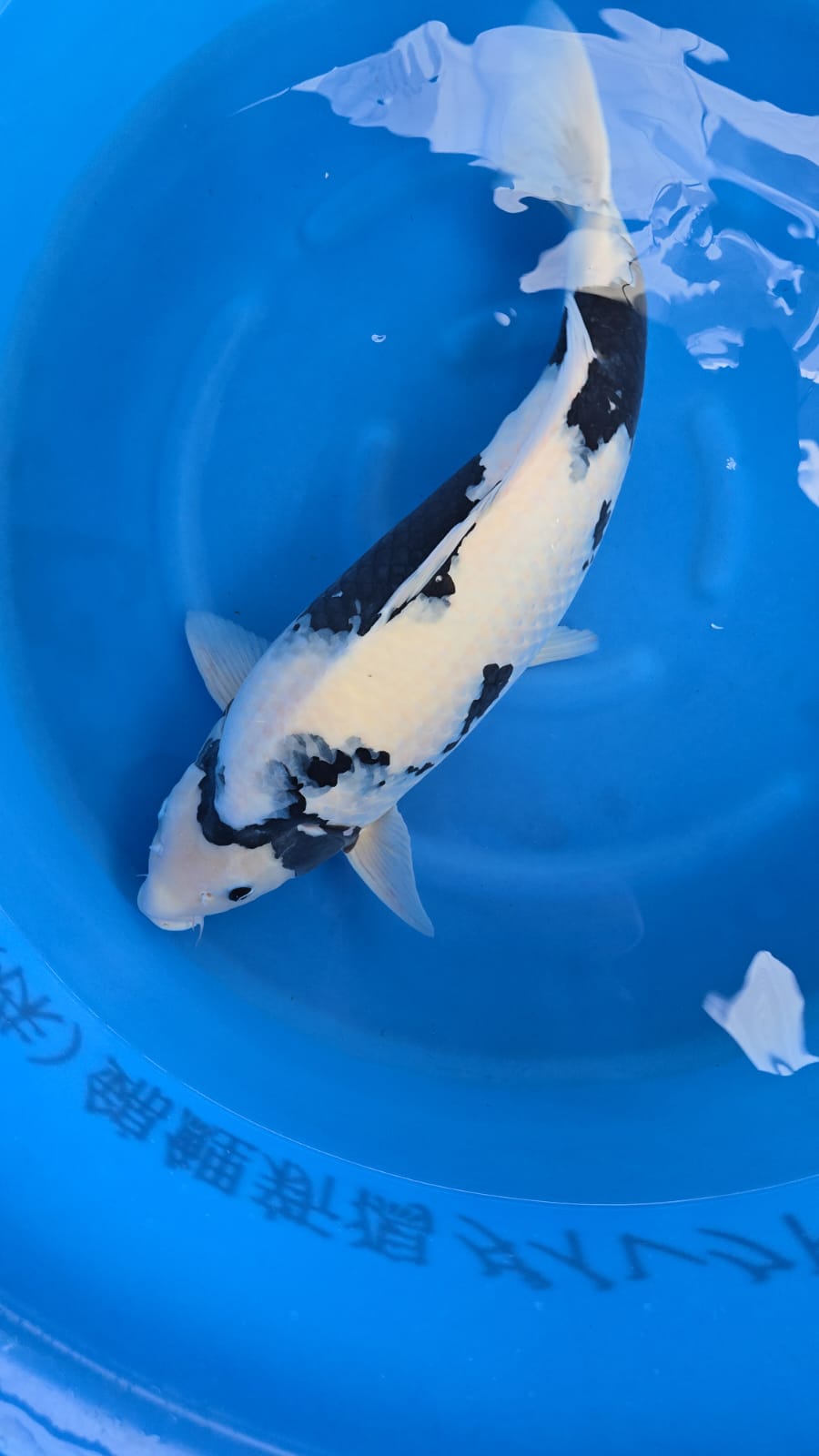
Here are 10 koi varieties you absolutely should know — whether you’re building a show pond or just want to start developing your knowledge of the koi varieties.
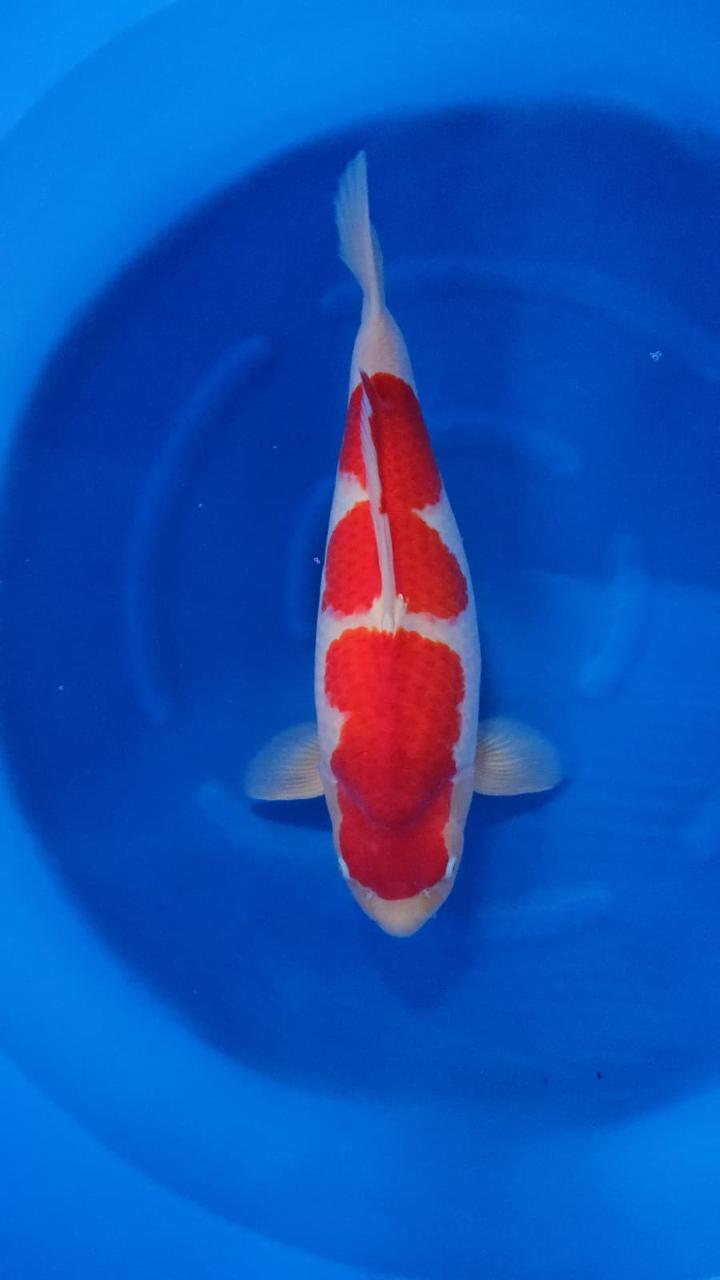
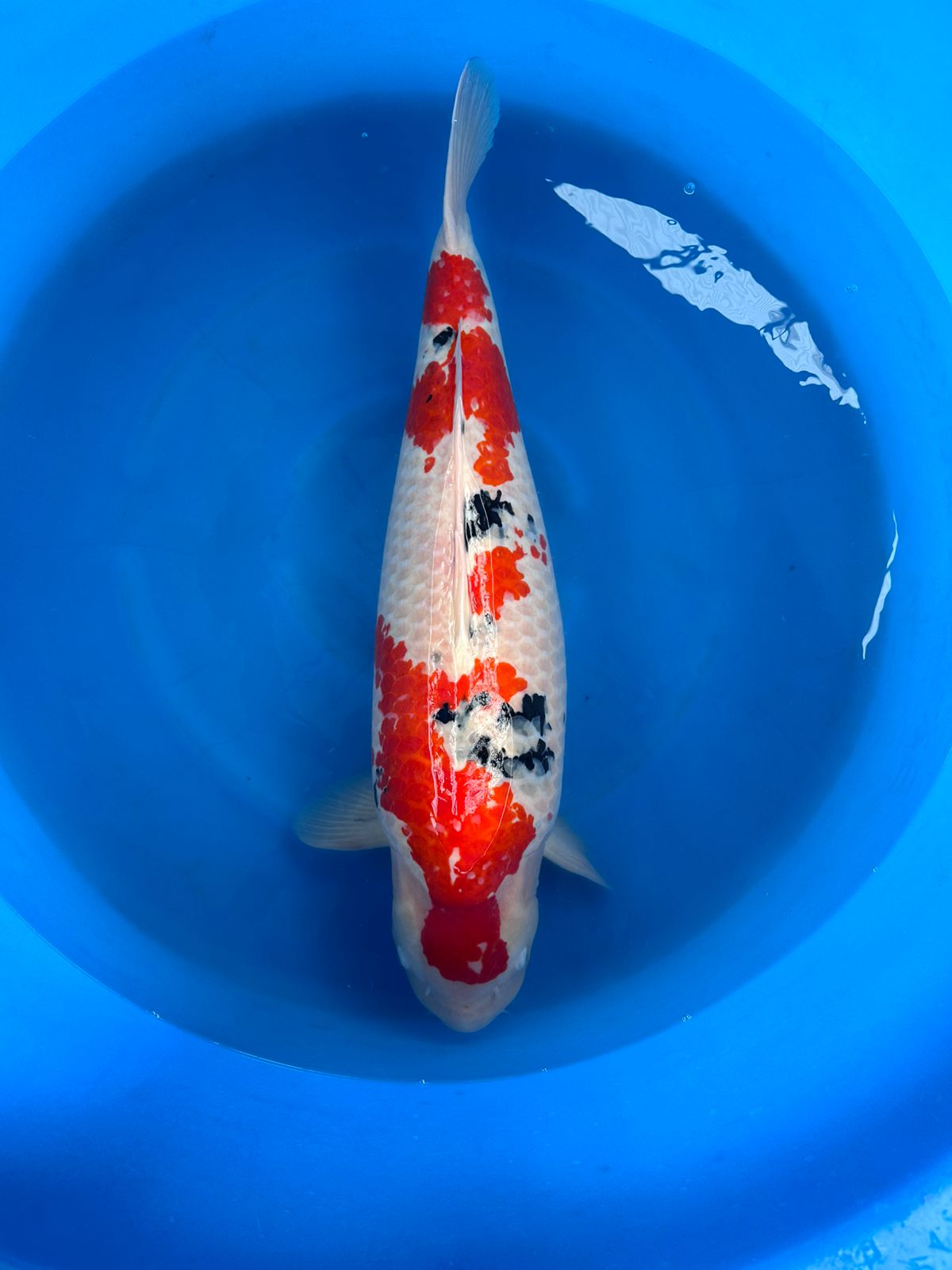
Note: Distinguishing between a Showa and Snake can be a separate article in itself but to simplify it; a Showa has black on the head and Sanke does not. There is a fine line, and it is tricky to distinguish between them on few occasions- that is, if you don’t know the nuances
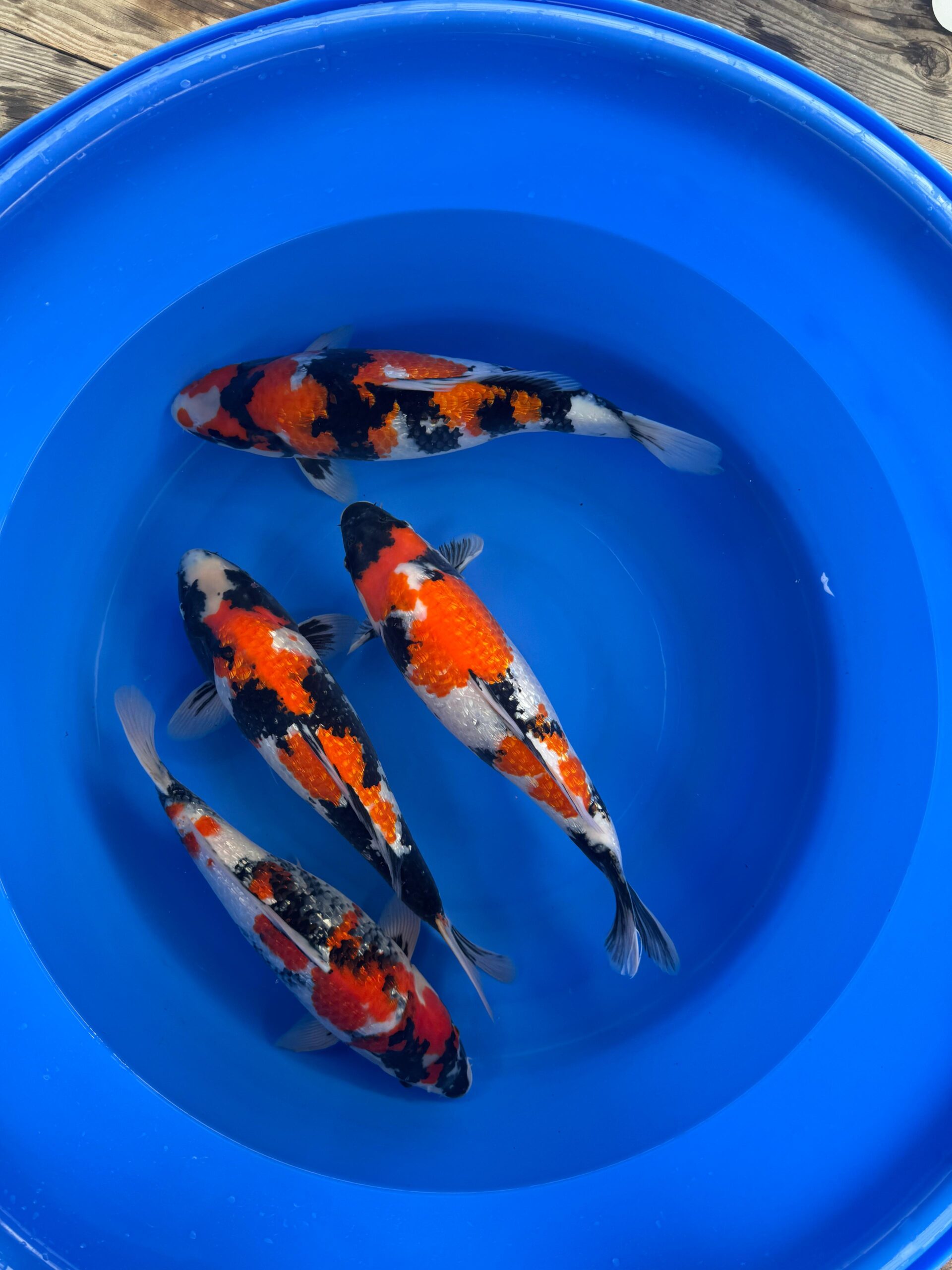
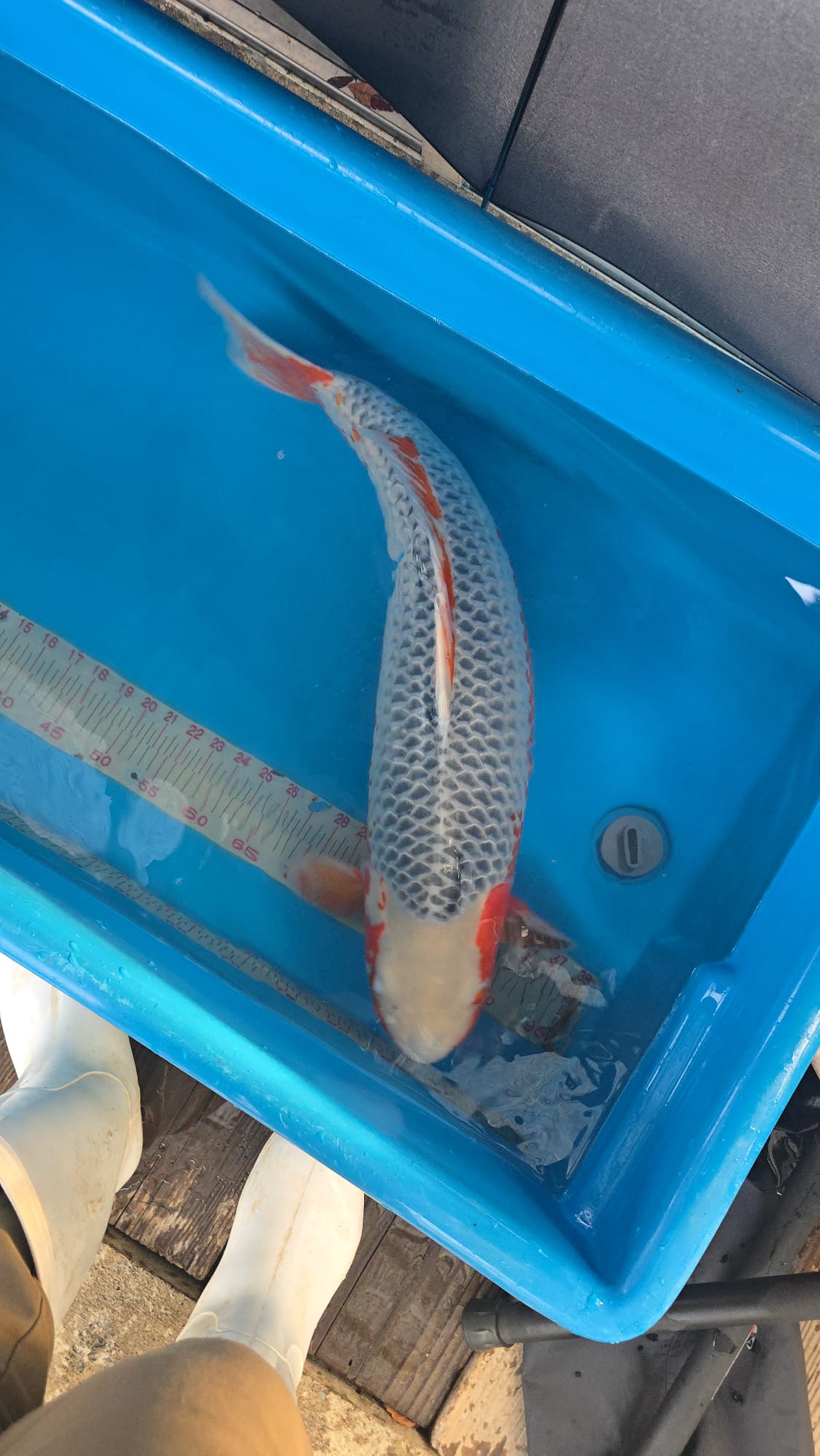
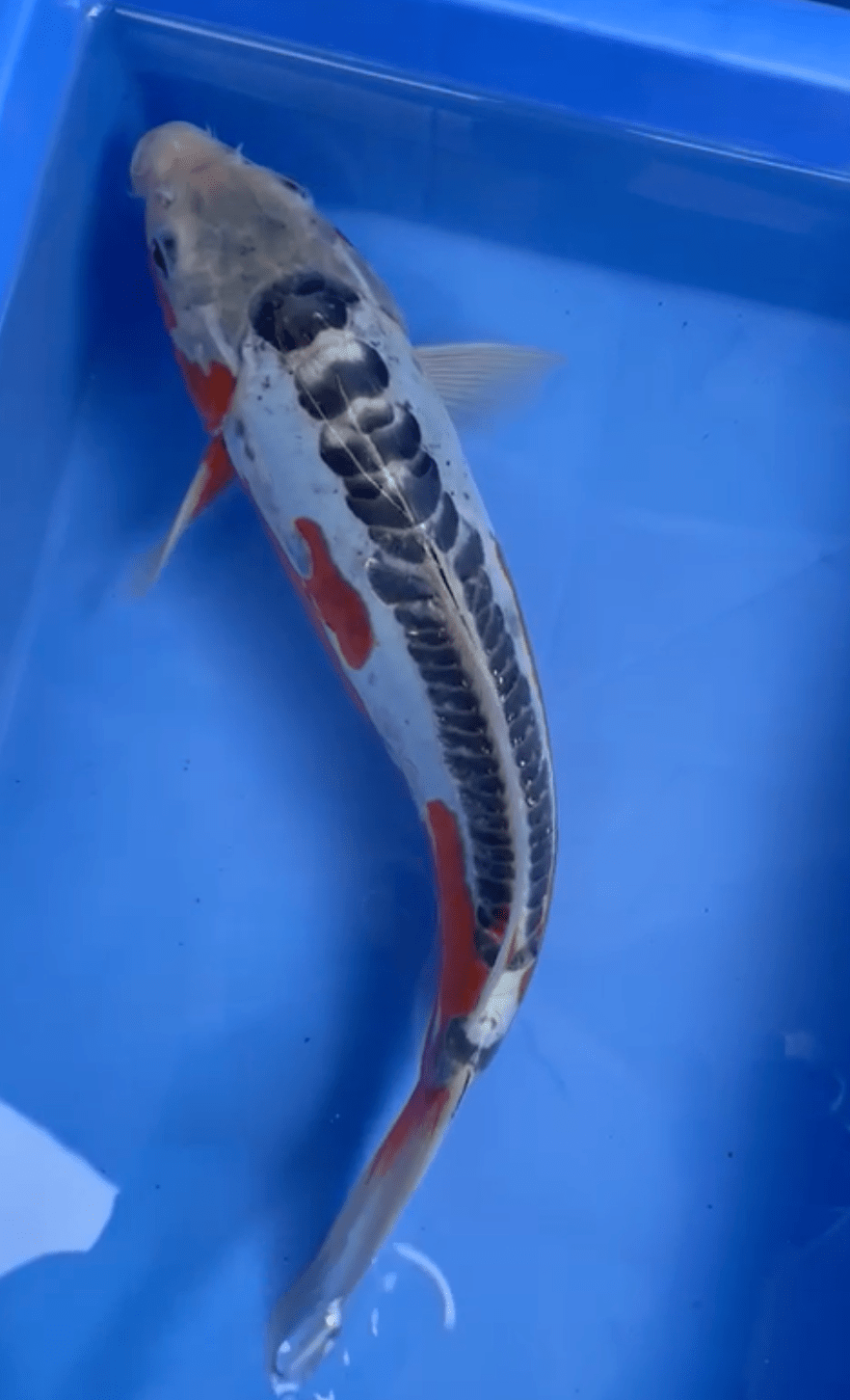
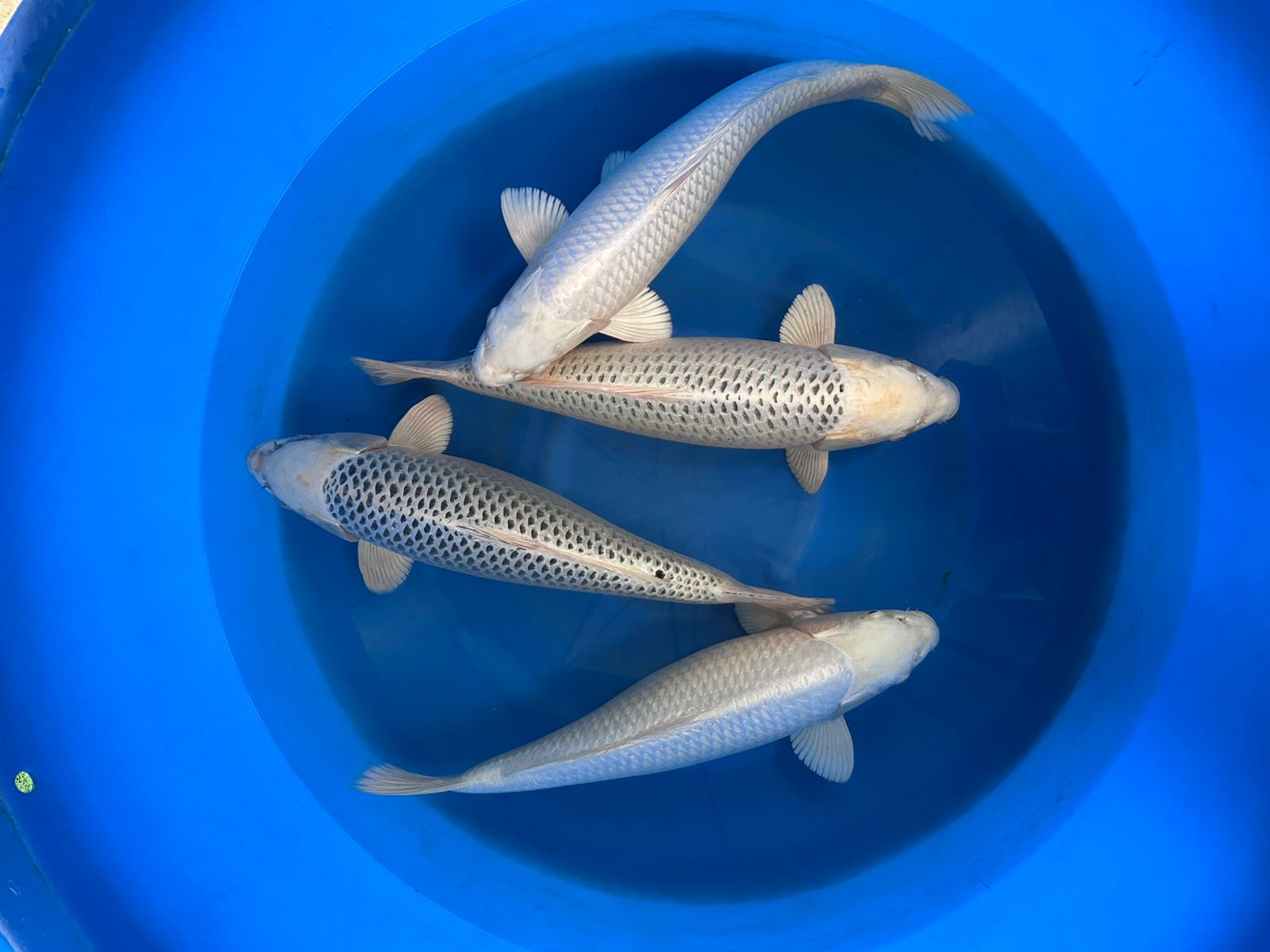
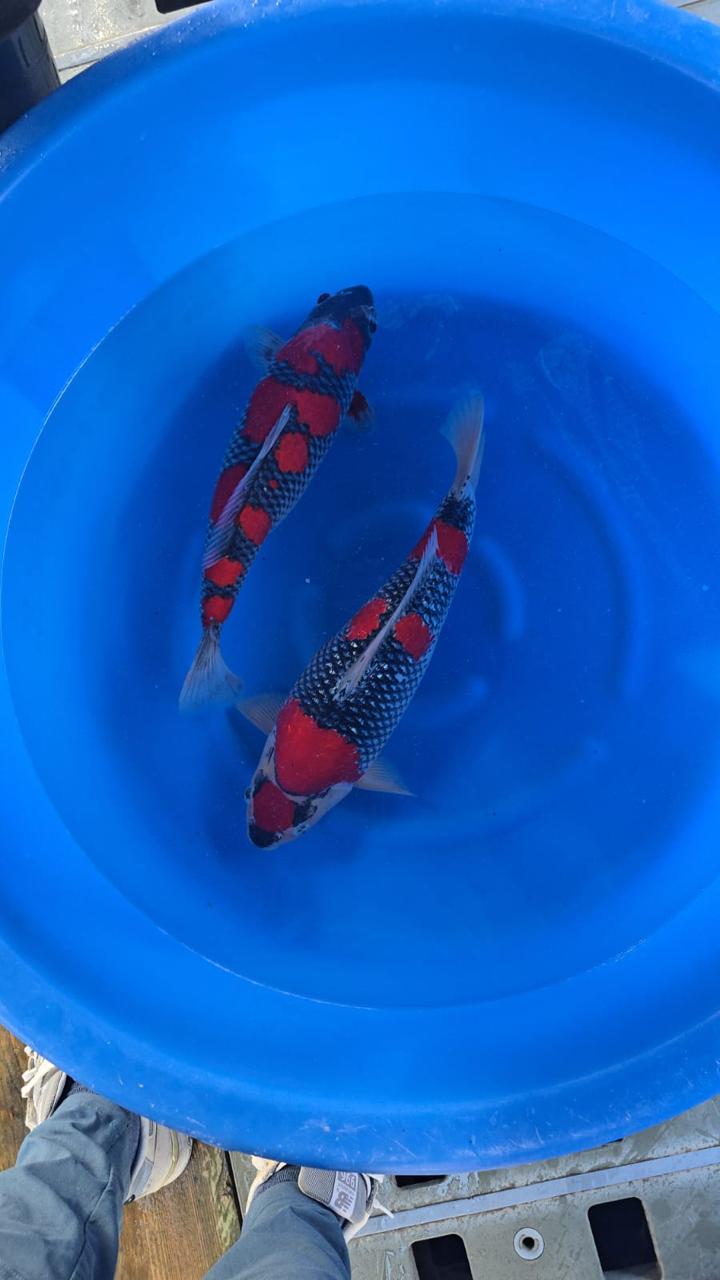
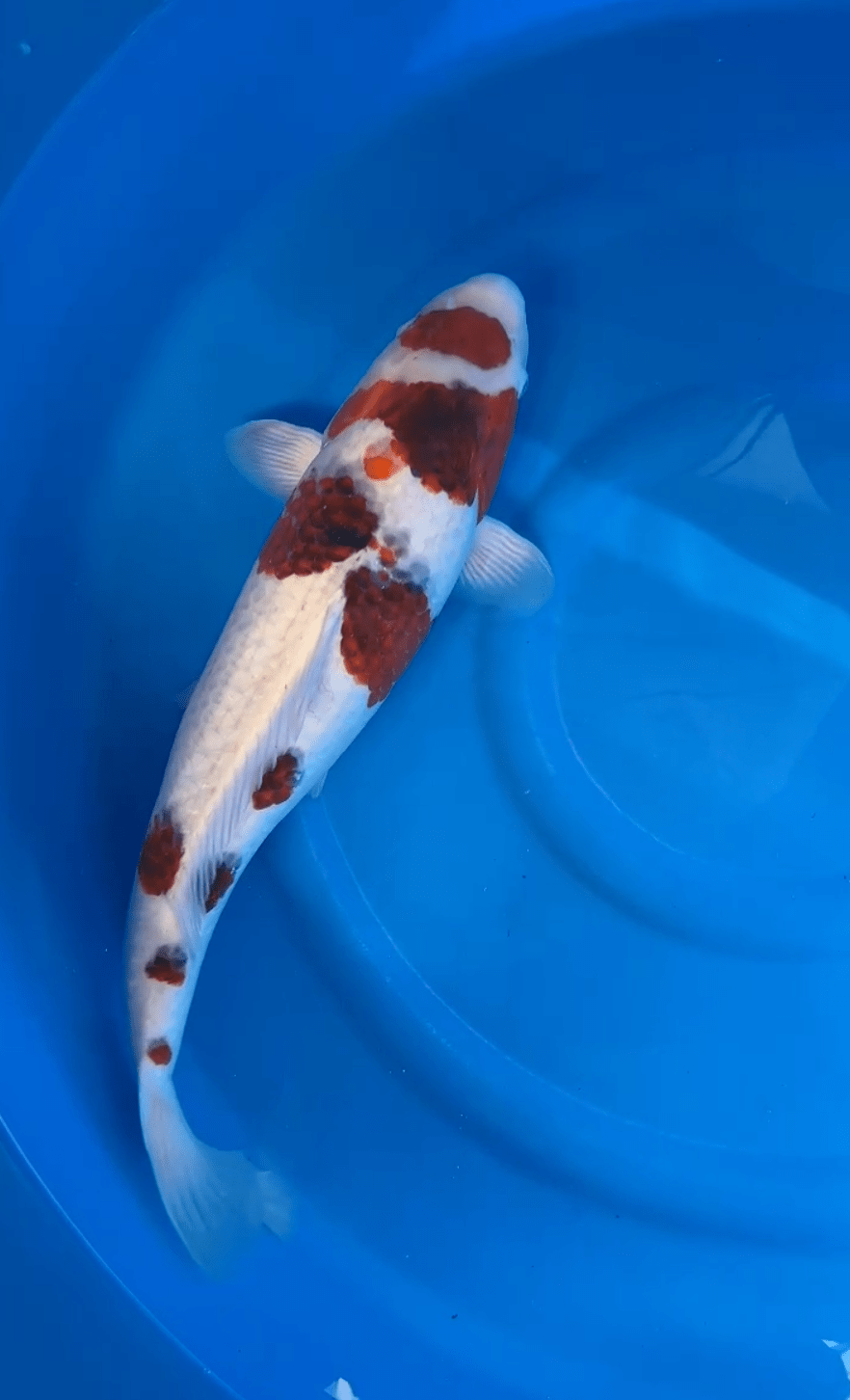
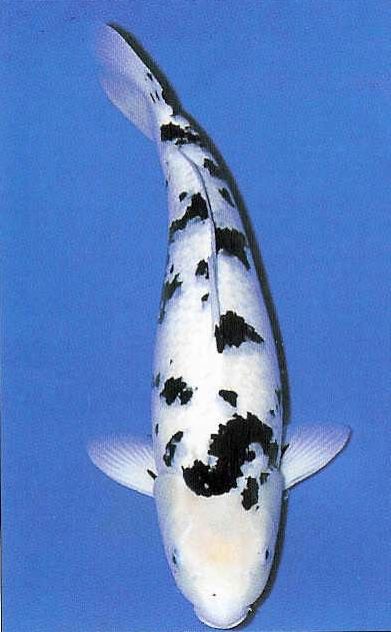
At Ochiba Koi Studio, working in India, I often tell newcomers: choosing koi varieties is like choosing companions for a long journey. These fish live decades, and their patterns tell stories of lineage, geography, and patience.
Today we dive deep into the world of Japanese koi, also known as, Nishikigoi and explore some of the most significant varieties that make this living art form so magical. There are hundreds of koi varieties, differentiated by colour, pattern, scale type, and even fin shape — but don’t worry, we’ll stick to the ten that are most foundational (and most fun to talk about).
To begin with this is all you need to know, and I am genuinely thrilled to be on this journey with you — sharing not just the beauty of koi, but also my hands-on lessons, hard-won insights, and a little bit of that Japanese-Indian koi magic we’ve built pond by pond.From choosing the right variety for your climate, to managing water quality in the strong Indian summer, and presenting koi that would make even the masters in Niigata nod in appreciation — there is much to learn about. Research and experience are your biggest teachers- here’s to many koi-filled conversations and vibrant ponds ahead!
Based in Pune, we proudly serve koi lovers across Mumbai, Pune, Nashik, and all of Pan India—with Nishikigoi Direct Delivery available worldwide.
Ready to build your dream koi pond or add stunning Japanese koi to your collection?Call us, visit our facility in Pune, or explore global delivery options.